Alfombras y Pasillos de Cactus Silk (Sabra) | MyRugy
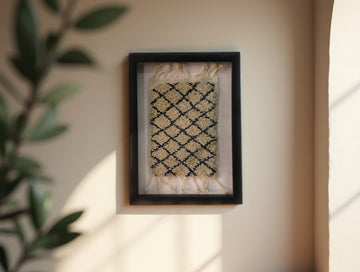
Plant-based sheen. Effortless style. Artisan craft. Meet the Moroccan textile with modern appeal: the cactus silk rug—also called a sabra rug—handcrafted from agave plant fibers and finished with iconic Berber symbols. Soft to the touch with a subtle, matte sheen, these flatweaves and runners bring color and calm to living rooms, bedrooms, nurseries, and entries. Each piece is woven by skilled artisans using time-honored techniques, then detailed with geometric embroidery that tells a cultural story. Lightweight, low-profile, and easy to layer, Moroccan sabra works where you want refined texture without bulk. At MyRugy, every rug is curated for design quality and authenticity, professionally cleaned, and photographed in natural light with exact size and condition notes—so you can shop with confidence.
Plant-based sheen. Effortless style. Artisan craft. Meet the Moroccan textile with modern appeal: the cactus silk rug—also called a sabra rug—handcrafted from agave plant fibers and finished with iconic Berber symbols. Soft to the touch with a subtle, matte sheen, these flatweaves and runners bring color and calm to living rooms, bedrooms, nurseries, and entries. Lightweight, low-profile, and easy to layer, Moroccan sabra adds refined texture without bulk. Each piece is curated, professionally cleaned, and photographed in natural light with exact size and condition notes—so you can shop with confidence.
Origin • Culture • Look & Feel
What Is Cactus Silk (Sabra)?
Origin & cultural significance
Cactus silk—known locally as sabra—is a traditional Moroccan textile made from agave fibers. For generations, Berber artisans have woven and embroidered these textiles to record identity, protection, and prosperity through symbols such as diamonds, arrows, and stars.
The look & feel
Expect a supple, artisanal hand with a gentle luster, crisp geometry, and sun-washed or saturated color. Because each sabra rug is handmade, slight variations in tone, embroidery, and edges are part of the charm.
Fiber Prep • Dyeing • Weaving & Embroidery
How Moroccan Sabra Is Made
Fiber prep
Agave leaves are processed to extract long plant fibers, which are cleaned, spun, and softened for a silky handle.
Dyeing
Traditional methods achieve vivid hues and natural-leaning palettes—from blush, saffron, and teal to sand and ecru.
Weaving & embroidery
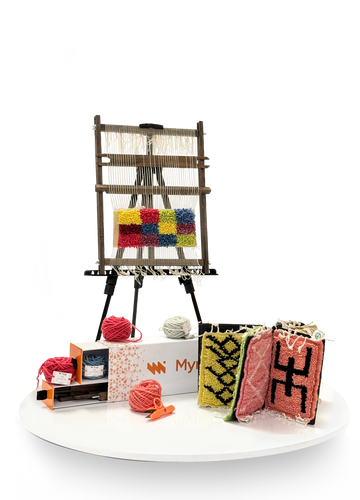
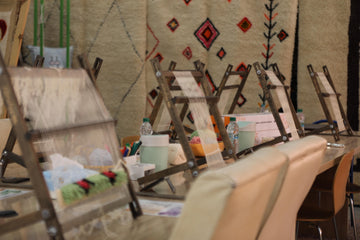
On upright looms, weavers create flatweave cloth, then add symbolic motifs in contrasting yarns. Edges are secured and fringes finished by hand.
Living: ~200×300 cm to anchor seating; front legs on rug. Bedroom: 40–60 cm visible or paired runners. Dining: table + ~60 cm on all sides. Runners: 60–90 cm wide in 200–400+ cm lengths.
Pad & placement
Use a quality rug pad for grip and edge protection, especially on hard floors.
Color & light
Sabra colors can be nuanced; listings are shot in natural light. Request extra photos or a quick video to compare against your finishes.
Vacuum • Spills • Sun/Rotation • Pro Clean • Rug Pad
Care & Maintenance
Vacuum
Suction only (no beater bar); avoid aggressive brushing.
Spills
Blot immediately with a clean, dry cloth; avoid soaking.
Sun & rotation
Rotate quarterly; limit prolonged direct sunlight to preserve color.
Professional cleaning
Choose technicians experienced with plant-fiber Moroccan textiles.